

Coffee isn’t just a drink; it’s a global phenomenon that fuels conversations, sparks creativity, and sometimes even saves lives—especially on Monday mornings. From the bustling cafés of Paris to the vibrant street corners of São Paulo, coffee weaves itself into the fabric of daily life, creating connections that transcend borders and cultures.
Imagine a world without coffee breaks, where meetings drag on without that magical boost of caffeine. It’s a scary thought! This beloved beverage has evolved into a cultural touchstone, influencing art, social rituals, and even politics. As we delve into the rich tapestry of coffee’s cultural significance, it becomes clear that this humble bean is much more than just a morning pick-me-up; it’s a symbol of community, creativity, and, let’s be honest, survival.
Coffee Cultural Significance Around the World
Coffee’s cultural significance varies widely across the globe. In Ethiopia, coffee ceremonies symbolize community and family bonds. Roasted beans are brewed in a special pot, creating an environment for storytelling and connection.
Italy views coffee as an art form, with espresso playing a central role in daily routines. Standing at the bar for a quick shot reflects the Italian lifestyle’s fast pace and social nature.
Brazil integrates coffee deeply into its culture, celebrating it through festivals and national pride. The country is one of the world’s largest coffee producers, which impacts its economy and social fabric.
In Turkey, coffee serves as a symbol of hospitality, with traditional preparation methods and rich flavors. Offering coffee to guests demonstrates respect and warmth, bridging relationships.
Japan embraces coffee’s versatility in modern cafes, where aesthetic presentations enhance the drinking experience. Some establishments even serve coffee alongside traditional tea ceremonies, blending cultures.
Ghana’s coffee culture emerged in the 20th century, with local consumption gradually increasing. This shift highlights the beverage’s growing importance in social contexts and community gatherings.
Middle Eastern countries cherish strong coffee, often infused with spices like cardamom. This practice signifies generosity, with cups being offered to family and friends during gatherings.
Colombia celebrates coffee with festivals, showcasing its importance in agricultural traditions. Coffee farms become sites for cultural events, drawing tourists and locals alike to appreciate the craft.
Each culture’s unique approach to coffee underscores its global impact. Celebrating connections through coffee rituals enriches lives and fosters community engagement, reinforcing its status as a vital cultural element.
Historical Overview of Coffee
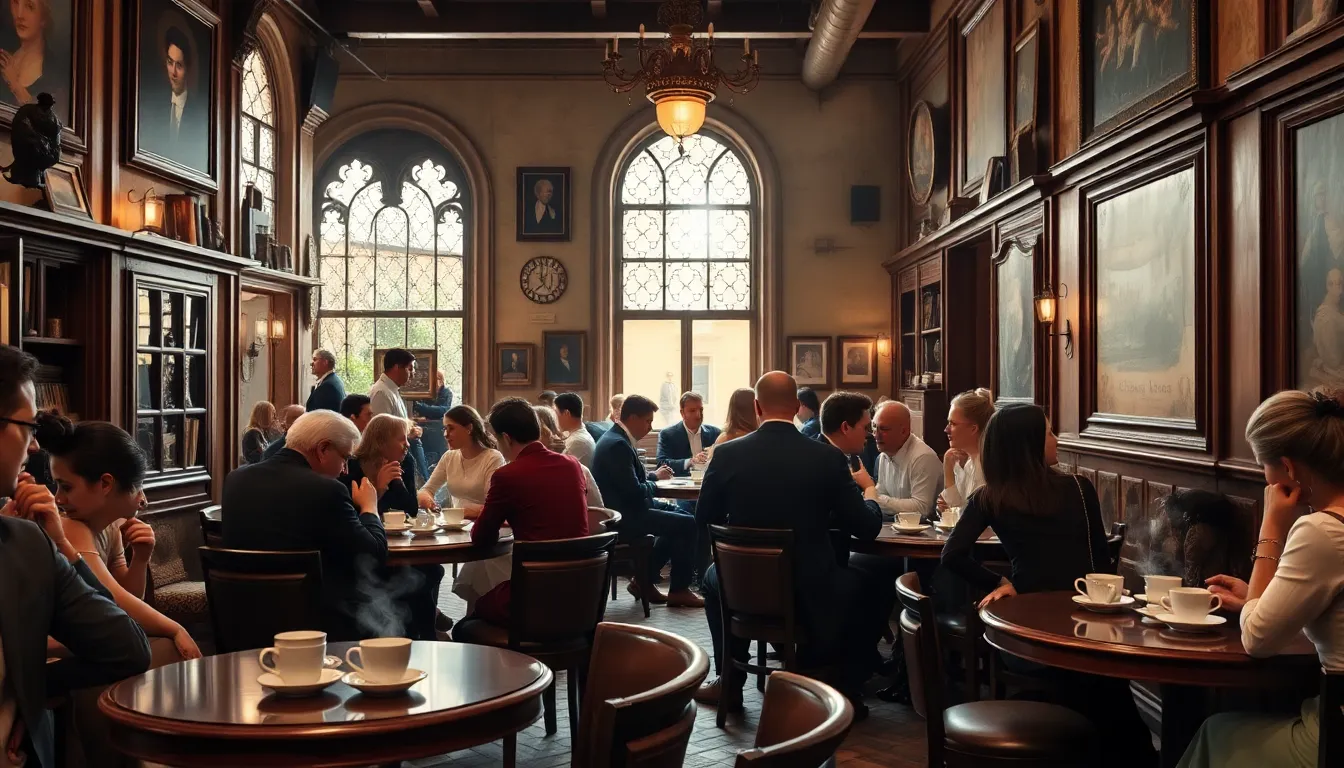
Coffee has a rich history that highlights its profound cultural importance. Understanding its origins and the role it played in ancient civilizations provides insight into its continued significance today.
Origins of Coffee
Ethiopia is widely regarded as the birthplace of coffee, with legends tracing its discovery back to the 9th century. According to one story, a goat herder named Kaldi noticed his goats became energetic after eating coffee cherries. This led to the discovery of coffee’s stimulating properties. The coffee plant, Coffea Arabica, soon spread from Ethiopia to the Arabian Peninsula, where it gained popularity in cities like Mocha and Yemeni regions. By the 15th century, coffee was cultivated in Persia, Egypt, and Turkey. These early coffee cultures laid the groundwork for coffee’s global journey, making it integral to social and economic structures.
Coffee in Ancient Civilizations
Ancient civilizations embraced coffee in various ways, blending it into their cultural fabric. In the Ottoman Empire, coffeehouses called “kahvehane” became social hubs for intellectual discourse, promoting political discussions and creativity. Coffee also played a central role in the Ethiopian coffee ceremony, where brewing and sharing the beverage fosters community ties. Islamic cultures recognized the drink as a unifying force, enabling gatherings and camaraderie among individuals of diverse backgrounds. Ancient European societies soon joined the coffee movement, creating coffeehouses in cities like Venice and Paris, where art and literature flourished. Each civilization’s unique relationship with coffee revealed its transformative role in societal development.
Coffee as a Social Catalyst
Coffee serves as a powerful social catalyst, creating spaces for dialogue and connection among people. Through shared experiences over a cup, individuals strengthen social bonds that transcend cultural boundaries.
Coffeehouses and Community
Coffeehouses function as vibrant community hubs. These establishments promote interaction through their welcoming atmospheres. In Ethiopia, traditional coffee ceremonies bring families and friends together, reinforcing social ties. Meanwhile, Italian espresso bars act as vital meeting points for socializing and networking. In the US, the rise of modern cafes has transformed coffee culture into a communal experience, where students, professionals, and artists gather to exchange ideas. Such settings encourage collaboration and creativity, making coffeehouses essential to community life.
Coffee and Social Movements
Social movements often find grounding in coffee culture. Activists utilize coffee shops to foster dialogue on important issues, creating an environment for discussion and engagement. For example, during the Civil Rights Movement in the United States, coffeehouses served as safe spaces for organizing and strategizing. In recent years, ethical coffee sourcing initiatives have emerged as part of larger movements, promoting fair trade practices and social justice. Coffee not only brings people together but also drives conversations that inspire social change and activism worldwide.
Coffee in Art and Literature
Coffee holds a prominent place in both art and literature, serving as a potent symbol and a source of inspiration.
Representations in Literature
Many authors incorporate coffee into their works, using it to create atmospheres and convey emotions. In Gabriel García Márquez’s “One Hundred Years of Solitude,” coffee signifies familial connections and cultural rituals. Similarly, works by Susan Sontag explore how coffee serves as a backdrop for intellectual discussions. This beverage appears in poetry as well, often symbolizing comfort or social gatherings. Characters in novels frequently bond over coffee, revealing relationships and societal settings. Through these literary lensings, coffee reflects cultural nuances and highlights the intricate tapestry of human experience.
Influence on Artists and Music
Artistic movements frequently embrace coffee as a muse. Renowned painters like Jean Metzinger captured coffeehouse scenes, illustrating social interactions and lively dialogues. Music also draws inspiration from coffee culture; jazz musicians often composed pieces celebrating its vibrant atmosphere. The Beat Generation celebrated coffee as a catalyst for creativity and expression, fostering connectivity among artists. In contemporary art, installations featuring coffee challenge perceptions and provoke thought. Artists utilize coffee’s cultural significance to explore identity, nostalgia, and community, showcasing its deep-rooted impact in creative realms.
Rituals and Traditions Surrounding Coffee
Coffee often serves as a focal point for rituals and traditions worldwide. Its preparation methods and the cultural celebrations surrounding it highlight the beverage’s significance.
Coffee Preparation Methods
Brewing coffee varies greatly across cultures, each method reflecting local customs. In Ethiopia, traditional coffee ceremonies involve roasting green beans, grinding them by hand, and brewing in a special pot called a jebena. Espresso preparation in Italy emphasizes precision, where baristas craft shots with expert techniques. Turkish coffee uses finely ground beans simmered with water and sugar, creating a strong and rich flavor. French press offers a more leisurely approach, allowing coffee lovers to steep coarsely ground coffee for several minutes. Japan introduces modern techniques such as pour-over and siphon brewing, showcasing coffee’s adaptability. Each method reinforces the beverage’s role in daily life and social gatherings.
Cultural Celebrations Featuring Coffee
Coffee features prominently in various cultural celebrations, emphasizing its communal aspect. In Brazil, the Festa do Café celebrates the country’s coffee heritage with parades and tastings every August. This festival attracts locals and tourists alike, reinforcing national pride. Ethiopia’s Coffee Ceremony Day showcases the importance of coffee in social and familial bonds through elaborate ceremonies. Each January, Turkey holds the Coffee Festival, celebrating this beloved beverage with competitions and workshops. The National Coffee Day in the U.S. encourages appreciation for coffee with events and discounts, drawing community engagement. Such celebrations not only highlight coffee’s cultural significance but also strengthen connections among individuals.
Coffee’s cultural significance transcends mere consumption. It’s a powerful connector that fosters relationships and inspires creativity across diverse societies. From the rituals of Ethiopian coffee ceremonies to the vibrant atmosphere of Italian espresso bars, coffee embodies unique traditions that enrich community life.
As a catalyst for social interaction and dialogue, coffeehouses have become essential spaces for collaboration and activism. The beverage’s influence extends into art and literature, reflecting its role in shaping human experiences. Through its many forms and traditions, coffee remains a vital thread in the fabric of global culture, continuing to inspire and unite people from all walks of life.