
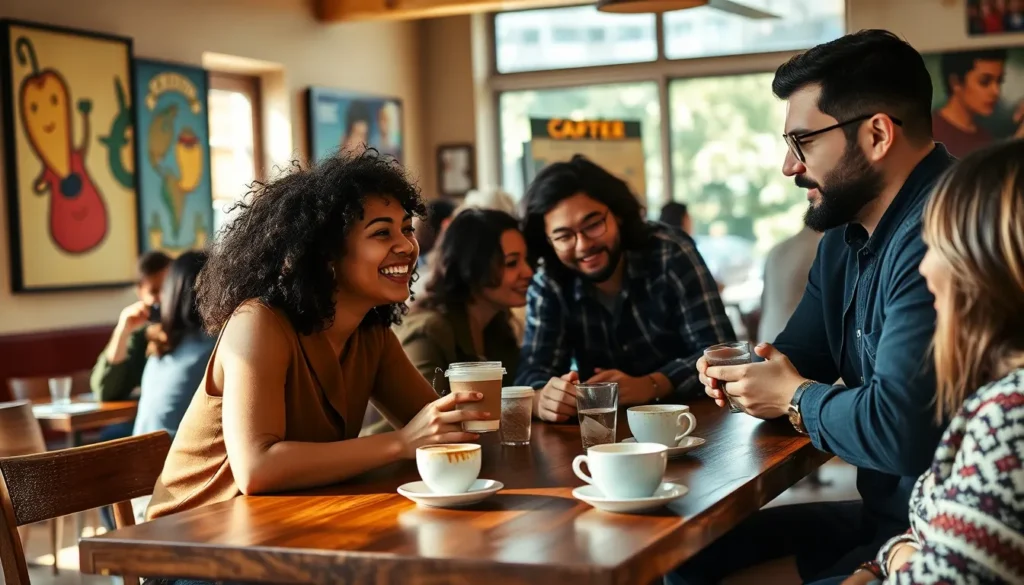
From the bustling cafés of Paris to the tranquil tea houses of Kyoto, coffee culture weaves a rich tapestry of tradition, flavor, and community. It’s not just a beverage; it’s a global phenomenon that sparks conversations, fuels creativity, and keeps the world buzzing—literally. Whether it’s a morning ritual or an afternoon pick-me-up, coffee has a way of bringing people together, one cup at a time.
Overview Of Coffee Culture Worldwide
Coffee culture varies significantly across the globe. In Italy, espresso embodies the quick, social experience of coffee. Locals often enjoy it standing at the bar, reinforcing the idea of community and conversation. In contrast, countries like Ethiopia define coffee with ritual. Traditional coffee ceremonies involve roasting beans and brewing the beverage in a communal setting, emphasizing shared experiences.
Originating in the Middle East, Turkey’s coffee culture reflects a rich history. Strong Turkish coffee, served in small cups, is an symbol of hospitality, often accompanied by sweets. Another notable region is Latin America. Countries such as Brazil and Colombia prioritize coffee as part of their identity, making it a staple export and a reason for local celebrations.
Asia offers diverse coffee traditions as well. Vietnam stands out with its unique preparation. Iced coffee with sweetened condensed milk captures the balance between bitter and sweet. Meanwhile, Japan showcases an appreciation for craftsmanship through hand-brewed pour-over techniques, which highlight precision and flavor.
Cafés play a central role worldwide. Places like the cozy coffee shops in Paris double as social hubs. In addition, coffeehouses in the Middle East serve with a long-standing tradition where discussions on politics and literature flourish. Observations reveal that in contemporary society, coffee shops become popular venues for remote work and social gatherings, further intertwining coffee culture with daily life.
Statistics indicate coffee consumption continues to rise. The International Coffee Organization reported global coffee consumption reached approximately 167 million 60-kilogram bags in 2021. Growing interest in specialty coffee and sustainability practices emphasizes the evolving landscape of coffee culture.
Historical Roots Of Coffee Culture
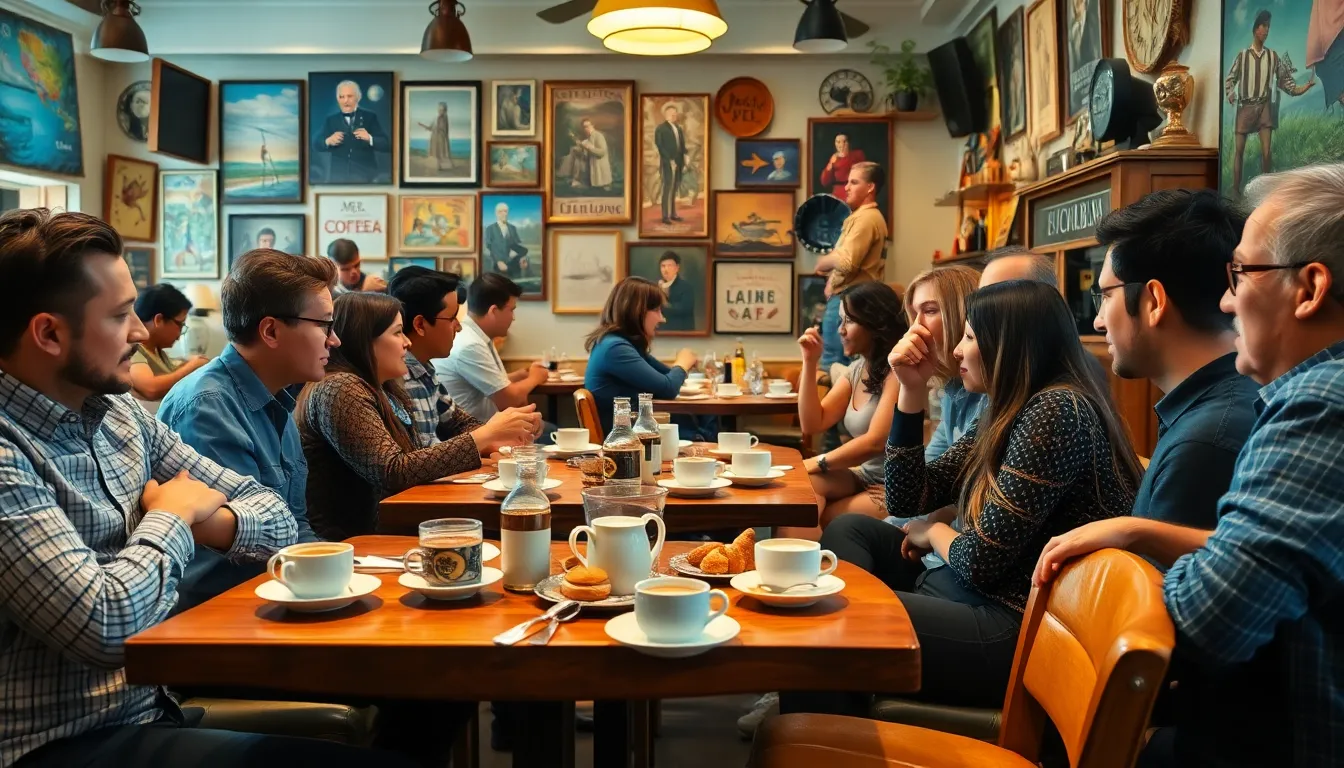
Coffee culture has deep historical roots, starting with its discovery and early cultivation.
Early Discoveries
Ethiopia is often credited as the birthplace of coffee, where legend tells of a goat herder named Kaldi. Kaldi observed his goats becoming energized after consuming coffee cherries. His discovery eventually reached monks, who brewed the first coffee beverages to maintain alertness during prayers. Yemen followed suit in the 15th century by cultivating coffee, establishing one of the first coffee houses, known as “qahveh khaneh.” These venues became popular meeting places for discussions and artistic expression, helping shape coffee culture as a communal experience.
Spread Across Continents
Coffee spread to the Middle East and then to Europe in the 17th century. Historians note that coffee gained immense popularity in Ottoman Empire cities, aiding in the establishment of coffee houses as social and political centers. By the 1600s, coffee reached England, where its coffee houses flourished as intellectual hubs and paved the way for today’s café culture. During the colonial period, coffee cultivation expanded exponentially to regions like the Caribbean and South America. Brazil emerged as a leading producer, driving global coffee consumption forward, with production accounting for approximately 39% of the world’s coffee supply by 2021.
Regional Variations In Coffee Culture
Coffee culture varies significantly across the globe, reflecting local traditions and social interactions. Each region brings unique practices that shape the coffee experience, making it a rich subject of exploration.
Coffee Culture In Europe
Italian coffee culture centers around espresso, celebrated for its speed and social nature. Cafés in cities like Milan buzz with conversation, as patrons savor their drinks standing at the bar. In contrast, France embraces leisurely coffee moments, with café terraces serving as perfect spots for people-watching. The Scandinavian countries showcase a strong preference for filter coffee, often accompanied by pastries during “fika,” a cherished break in daily routines. Each nation emphasizes community, transforming coffee drinking into a collective experience.
Coffee Culture In Asia
Asia’s coffee culture includes a blend of historical and contemporary practices. Vietnam’s iced coffee, made with dark roast beans and sweetened condensed milk, offers a refreshing twist. Japan’s meticulous pour-over techniques highlight precision and craftsmanship, creating a rich, flavorful brew. In Indonesia, the unique kopi tubruk, a strong coffee boiled with sugar, reflects local traditions. Various nations also embrace specialty coffee, contributing to growing international appreciation. This diversity adds depth to the global coffee narrative.
Coffee Culture In The Americas
In the Americas, coffee plays a vital role in daily life and identity. Colombia is renowned for its high-quality Arabica beans, contributing significantly to its cultural heritage. Brazilian coffee emphasizes a strong national pride, with local cafés serving as meeting places for social interaction. In the United States, the rise of specialty coffee shops has revolutionized the scene. Baristas in third-wave cafés focus on brewing methods and flavor profiles, enhancing the customer experience. The Americas display a vibrant tapestry of coffee traditions, fostering community connections.
Modern Coffee Trends
Coffee culture continually evolves, reflecting changing consumer preferences and societal values.
Specialty Coffee Movement
The specialty coffee movement emphasizes quality over quantity. This approach focuses on sourcing beans from specific regions and ensuring optimal growing conditions. Quality-driven practices enhance flavor profiles and highlight unique characteristics. Consumers increasingly seek transparency in sourcing and brewing methods. This trend has led to a surge in interest for single-origin coffees, where customers appreciate the story behind each cup. According to the Specialty Coffee Association, specialty coffee now accounts for around 55% of the U.S. coffee market, showcasing its profound impact.
Third Wave Coffee Shops
Third wave coffee shops revolutionize the coffee experience by treating coffee as an artisanal product. These establishments cultivate relationships with farmers and prioritize direct trade. Through meticulous brewing methods, baristas extract the best flavors from carefully sourced beans. Customers engage with the brewing process, becoming part of the coffee-making journey. Many third wave shops create inviting spaces that encourage community and interaction. This trend highlights the role of cafés as more than places to drink coffee but as vital spaces for social connection.
Coffee and Sustainability
Sustainability has become a pivotal concern within modern coffee culture. Both consumers and producers recognize the need for environmentally friendly practices. Many coffee brands commit to sustainable sourcing, minimizing their ecological footprint. Certifications like Fair Trade and Rainforest Alliance ensure that farmers receive fair compensation while promoting environmental stewardship. In 2021, the Specialty Coffee Association reported that over 60% of consumers prefer brands that prioritize sustainability. As awareness grows, sustainable practices increasingly shape the industry’s future, promoting ethical consumption among coffee lovers worldwide.
The Social Aspects Of Coffee Drinking
Coffee serves as a social connector, uniting people across different cultures. Café environments facilitate conversations, where friends catch up and strangers meet. Studies indicate that 67% of coffee drinkers believe it enhances social interactions. Shared experiences often occur around coffee, whether in bustling urban cafés or quiet home settings.
Coffee As A Social Connector
Coffee fosters connections among individuals, aiding in relationship building and community bonding. People often gather in coffee shops before work or during breaks, exchanging ideas and experiences. Coffee tastings and workshops further cultivate social engagement, promoting dialogue and interaction. The rise of coworking spaces integrated with coffee facilities enhances collaboration among professionals. Many cultures prioritize coffee drinking as a social activity, solidifying its role in daily life.
Coffee Rituals Around The World
Coffee rituals vary significantly worldwide, reflecting unique cultural identities. In Ethiopia, traditional coffee ceremonies promote community bonding through shared preparation and consumption. Italy’s espresso drinking embodies speed and social interaction, while Turkish coffee symbolizes hospitality and respect. Japan’s meticulous pour-over technique celebrates precision and aesthetics. Latin American cultures showcase vibrant coffee gatherings, where brews become a focal point for social interaction. Each ritual demonstrates the profound cultural significance of coffee, intertwining it with daily customs and communal values.
Coffee culture is a vibrant tapestry woven from diverse traditions and practices around the globe. It transcends mere consumption and becomes a catalyst for connection and creativity. Whether enjoying a quick espresso in Italy or participating in a traditional ceremony in Ethiopia, each experience offers a glimpse into the heart of its community.
As coffee continues to evolve with trends like specialty brews and sustainability, its role remains vital in fostering relationships. The modern café has become more than a place to sip coffee; it’s a hub for social interaction and cultural exchange. This enduring beverage will undoubtedly keep inspiring and uniting people, making it a cherished part of daily life worldwide.