

As the 2024 election approaches, all eyes are on Florida, a crucial battleground state that could tip the scales for either party. Known for its diverse population and rapidly shifting demographics, Florida has become a focal point for political strategists and voters alike. The question on everyone’s mind is whether Florida will lean red or blue this time around.
Recent trends suggest a complex landscape where both parties vie for dominance. With a history of swinging between Republican and Democratic candidates, Florida’s electoral votes are highly coveted. Understanding the state’s political climate is essential for anyone looking to grasp the broader implications of the upcoming election.
Overview of Florida’s Political Landscape
Florida’s political landscape remains dynamic and complex. The state has consistently leaned toward battleground status, evidenced by its tendency to swing in presidential elections. Demographics play a crucial role in shaping political trends. With a population exceeding 21 million, Florida is home to a mix of urban and rural voters, as well as a large retiree community and a growing Hispanic population.
Voter registration statistics from 2023 show that Florida’s electorate is nearly evenly split among Republicans and Democrats, with Independent voters making up a significant third. This balance underscores the competitive nature of elections. The Florida Division of Elections reports that as of October 2023, registered Republicans constituted approximately 36% of the electorate, while Democrats accounted for 34%, leaving Independents at roughly 30%.
In recent years, key issues influencing voter preferences include the economy, healthcare, and environmental policies. Republican candidates tend to focus on tax cuts and economic growth, while Democrats emphasize social justice and climate change initiatives. Both parties are actively engaging demographic groups such as young voters, Hispanic communities, and African American voters, recognizing their potential to sway election outcomes.
Florida’s political climate continues to evolve, making it essential for candidates to analyze voter behavior, historical voting patterns, and social issues. As the 2024 election approaches, both parties intensify their strategies to secure Florida’s 30 electoral votes, understanding its critical role in determining national outcomes.
Historical Voting Patterns
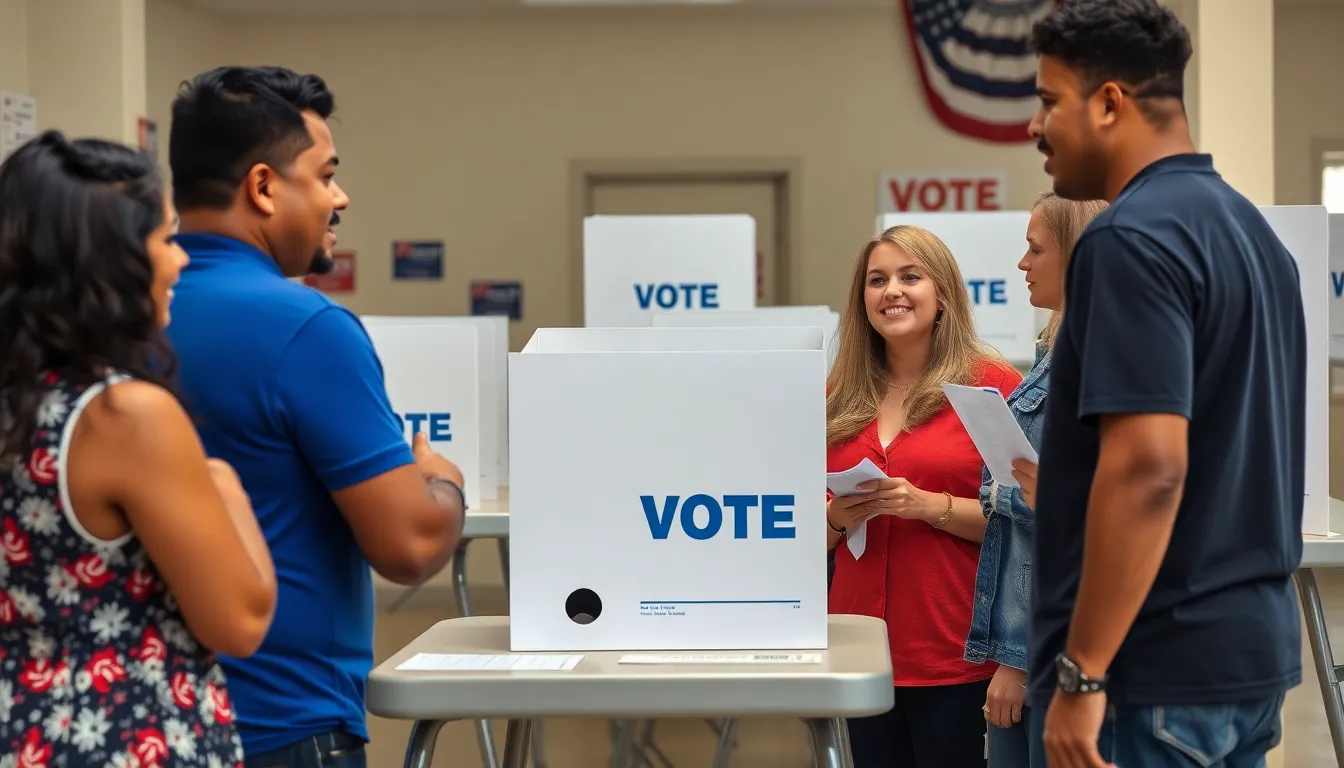
Florida’s voting history demonstrates significant fluctuations in party loyalty, making it a vital state in presidential elections. As both parties strive for electoral success, understanding past voting results and demographic influences remains essential.
The 2020 Election Results
In the 2020 election, Florida favored Donald Trump, who received 51.22% of the votes compared to Joe Biden’s 47.86%. The victory allowed Trump to secure 29 of Florida’s 30 electoral votes. Analyzing county-level data reveals that urban areas like Miami-Dade leaned Democratic, while rural regions supported Republican candidates. This trend emphasizes Florida’s status as a swing state, where local issues and candidate appeal significantly impact outcomes.
Key Demographics and Their Influence
Demographic diversity in Florida plays a crucial role in shaping voting behavior. Key groups include:
- Hispanic voters: Representing 18% of the state’s electorate, Hispanic communities, particularly Cuban Americans in South Florida, often lean Republican but have shown signs of diversification in preferences.
- African American voters: Comprising 13% of the electorate, African American voters primarily support Democrats, especially in urban centers where mobilization efforts yield high turnout rates.
- Young voters: This group, aged 18-29, makes up about 16% of Florida’s electorate. Their increasing engagement in elections demonstrates a shift towards Democratic candidates, driven by issues like climate change and social justice.
- Independent voters: Representing approximately 30% of registered voters, Independents often sway election results, reflecting a mix of conservative and liberal values depending on the issues at stake.
These demographics influence party strategies, necessitating targeted outreach efforts to address their unique concerns and priorities during the 2024 election cycle.
Current Political Climate
Florida’s political climate remains pivotal as the 2024 election approaches. Both major parties intensify efforts to engage voters, emphasizing unique platforms suited to their constituents’ needs.
Major Parties and Their Stances
Republicans focus on economic growth, advocating for tax cuts and job creation measures. They prioritize issues such as crime reduction and immigration control, appealing to voters concerned about safety and border security. Notably, Florida Governor Ron DeSantis actively promotes educational reforms and business-friendly policies, garnering support within conservative circles.
Democrats, in contrast, place significant emphasis on social justice and climate change. They advocate for healthcare expansion and affordable housing solutions, addressing the needs of underserved communities. Prominent Democratic leaders in Florida highlight the importance of environmental conservation, particularly in relation to the state’s vulnerable ecosystems, appealing to environmentally conscious voters.
Recent Polls and Predictions
Recent polls indicate a competitive landscape in Florida, with results showing Republicans holding a slight edge over Democrats. A poll conducted in October 2023 reports a 48% support for Republican candidates compared to 45% for Democrats, with a notable 7% of voters undecided.
Predictions suggest a potential tight race in 2024 as both parties work to mobilize their supporter bases. Analysts highlight crucial factors, including voter turnout among young and independent voters, which could significantly impact the final results. Florida’s electoral votes remain critical, forecasting significant national attention as both parties aim for victory in this key battleground state.
Factors Influencing the 2024 Election
Florida’s political landscape for the 2024 election hinges on several key factors that shape voter behavior and party strategies.
Voter Turnout and Engagement
Voter turnout significantly impacts election outcomes in Florida. Historical data shows that higher turnout in urban areas, where Democratic support tends to be stronger, can enhance Democratic chances. Conversely, rural areas typically exhibit strong Republican turnout. Engaging young voters, who represent 16% of the electorate, remains crucial for both parties. Targeted outreach efforts focus on social media campaigns and grassroots initiatives, aiming to mobilize this demographic. Independent voters, comprising 30% of the electorate, also play a pivotal role. They often swing between parties, making their engagement critical. Strategies include focusing on the issues that resonate most with Independents, such as economic concerns and climate policies.
Key Issues at Play
Key issues influencing voter preferences in the 2024 election include the economy, healthcare, and environmental policies. Republicans emphasize economic growth and tax cuts, linking them to job creation. They focus on crime reduction and immigration control as central themes. Democrats stress social justice and climate change initiatives, aiming to connect with underserved communities. Healthcare expansion and affordable housing also top their agenda, particularly in response to rising costs. Specific demographics, such as Hispanic and African American voters, express unique concerns related to these issues, necessitating tailored approaches from both parties. Understanding these perspectives ensures effective strategies that resonate with voters across different segments.
Florida’s political landscape is set for a fierce battle in the 2024 election. With its diverse electorate and competitive voter registration dynamics both parties must adapt their strategies to resonate with key demographic groups. The stakes are high as Florida’s 30 electoral votes could be crucial in determining the next president.
Voter engagement will play a pivotal role in shaping the outcome. As both Republicans and Democrats refine their messages to address pressing issues like the economy and social justice it’s clear that understanding the nuances of Florida’s electorate is essential. The upcoming months will reveal how effectively each party can mobilize their supporters and sway undecided voters in this critical swing state.